Casa Morada: A Love Letter, a Lament, and a Hope for Return
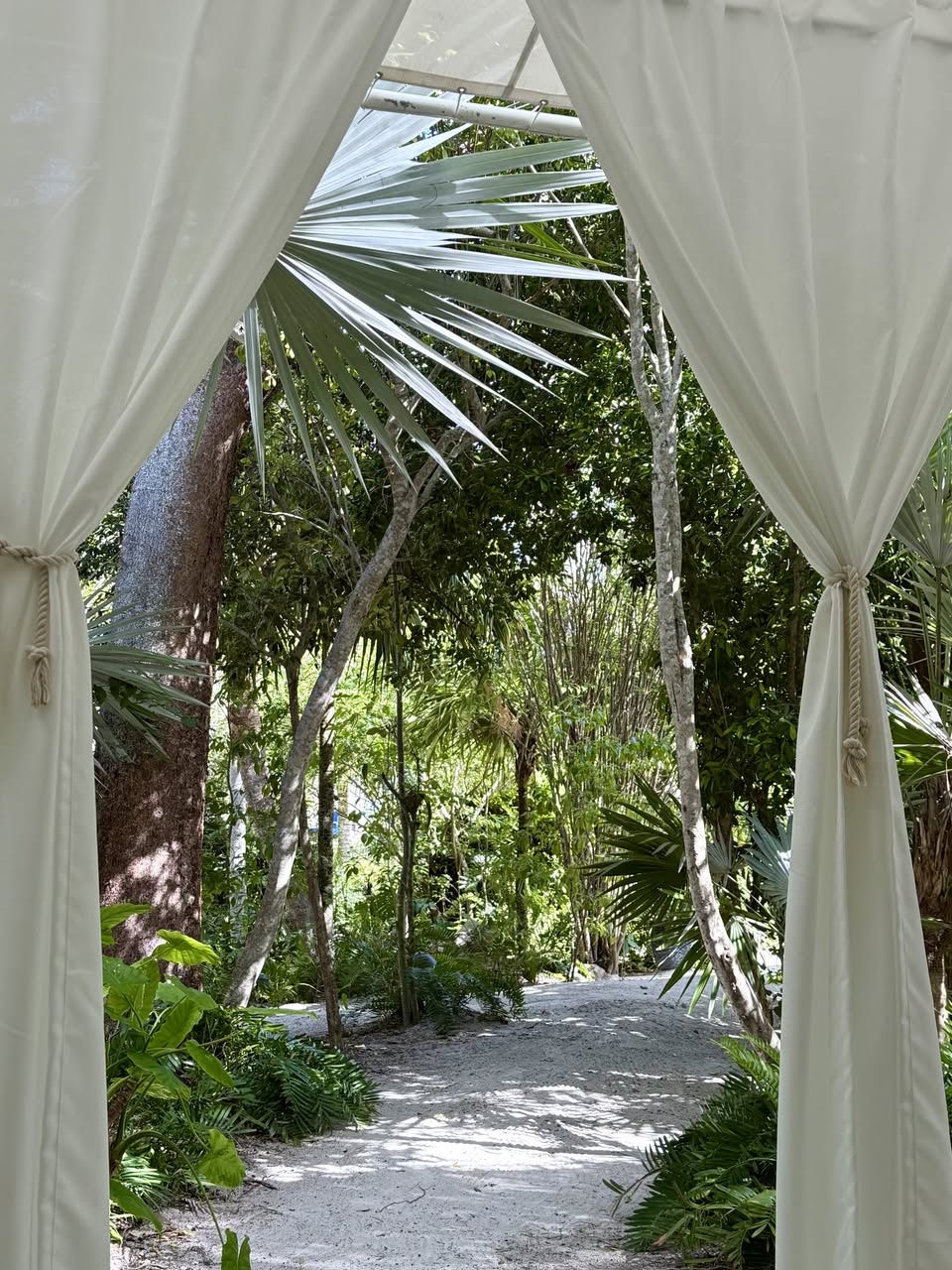
Amy and I have stayed at Casa Morada in Islamorada more than 25 times since we were married there in 2004. For us, it has never been just another resort in the Florida Keys. It has been woven into the story of our marriage, our family, and some of our happiest memories.
In 2021, when my youngest daughter was married in Islamorada, we booked the entire resort for our wedding guests over the Fourth of July weekend. It felt like coming full circle — returning to a place that had helped begin one chapter of our lives and then sharing it with the next generation.
Casa Morada was always special. Started in the early 2000s by three women who had once worked for Ian Schrager, the resort had a minimalist mystique that was rare in the Keys. It was understated, elegant, and quietly seductive. White flowing curtains moved in the breeze. Orchids greeted guests in each room. Champagne was offered at check-in. A complimentary bottle of wine waited in the room, along with snacks that made the experience feel gracious rather than transactional.
The 16-room property had an intimacy that larger resorts simply cannot reproduce. The landscaping, designed by Raymond Jungles, was part of the magic: native foliage, manicured pathways, fountain features, and a gradual unfolding of the property toward the water. A small bridge led to the island, where there was a pool and a sunset bar serving snacks, food, beer, wine, and sake beverages. Even without a full liquor license, it felt complete. It felt personal. It felt like Casa Morada.
But 25 stays later, the place has changed.
I understand that properties evolve. Renovations are sometimes necessary, and I can respect the disruption that comes with improvement. But what saddened me most during our recent stay was not simply that things were changing. It was that the attention to detail — any detail — seemed to have disappeared.
The orchids in the rooms are long gone. So is the welcoming champagne. Check-in now takes place across U.S. 1 at a motel owned by the same company, rather than in the former on-site office with its wooden welcoming desk, friendly stray cats — "it's a Keys thing" — and the kind of warm greeting that once made returning guests feel remembered. The familiar "welcome back, we've missed you" has been replaced by something far more impersonal.
The rooms still carry their charming names — Hideaway, Sea Turtle, Wild Flower, and the others — but the soul behind those names seems to have faded. What was once a luxury boutique retreat now feels, regrettably, more like a sterile Comfort Inn environment placed inside the bones of a once-beautiful resort.
The small disappointments added up quickly. At check-in, I asked for two room keys and was told I could only have one. I asked for a bag of ice to set up a small bar in the room and was told there was no ice available; I had to go to a convenience store to buy some. The furnishings in the room were old, outdated, and chipped. We were told the rooms were expected to be renovated within the next six months, and perhaps that will help. But at $550 a night plus taxes, guests are not paying for what a resort may become someday. They are paying for what it is now.
The exterior spaces, once among Casa Morada's greatest strengths, were also disappointing. The pathways that had once felt so pristine and intentional were ungroomed. A water feature sat dry, with exposed pipes visible. Potted plants were either dying or overtaken by weeds. On the island, there were only four lounge chairs and no umbrellas for a 16-room resort. When we asked about the lack of seating, we were told they were reworking the area in order to obtain a liquor license.
During our entire stay, we saw only one staff member. There were no towels available at the pool. We were given two very old, threadbare towels to use for the duration of our stay. And perhaps most sadly, the once-pristine sunset bar — long one of Casa Morada's signature pleasures — was unmanned and closed the entire time we were there.
I write this with sadness, not anger. Casa Morada meant something to us. It was elegant without being showy, intimate without being precious, and unmistakably connected to the spirit of Islamorada. It was the kind of place where the details mattered because the details created the experience.
I hope the current owners understand what they have inherited. Casa Morada does not need to become louder, larger, or more conventional. It needs to remember what made it special in the first place: hospitality, simplicity, beauty, and care.
I suppose nothing lasts forever. But I hope Casa Morada finds its way back.